Blog · By The Packaging Vista Team · October 28, 2026
Kraft Boxes Packaging Guide: Materials, Finishes & When Kraft Wins
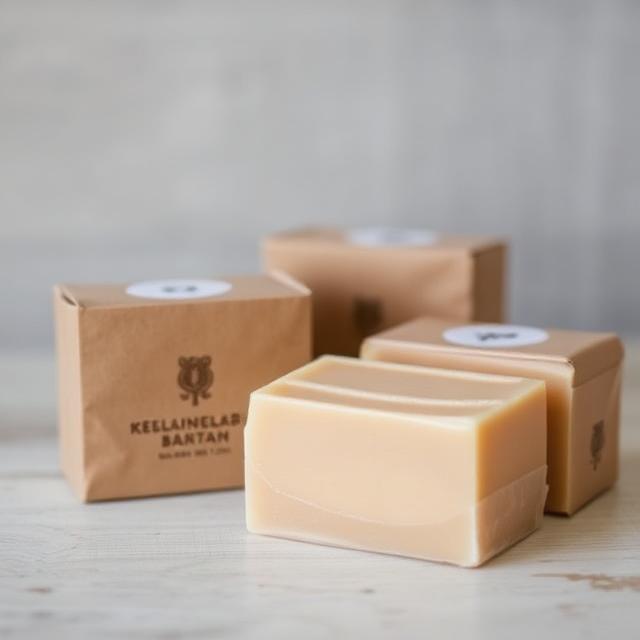
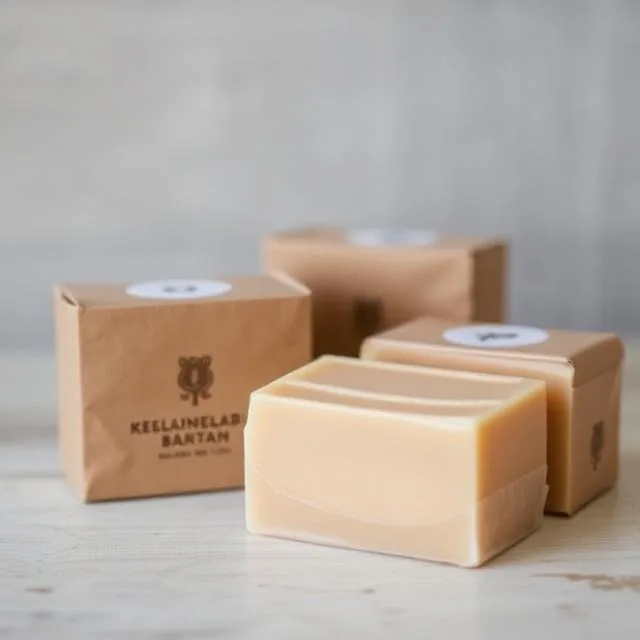
Kraft board is the natural brown paperboard made from mostly unbleached chemical pulp. It reads as earthy, honest, and artisan the moment a customer picks the box up — which is why natural beauty, bakery, soap, bath-and-body, and eco-forward food brands keep coming back to it. Here is what kraft is, how it stacks up against bleached white SBS, and the finishes that still pop on the brown surface.
What is kraft board?
Kraft board is made by the kraft chemical pulping process — the same process that produces most packaging-grade paperboard worldwide. The difference between kraft and SBS is bleaching: SBS is bleached white, kraft is left in its natural tan-brown color. Kraft keeps the lignin tint, which gives the stock its warm, organic look.
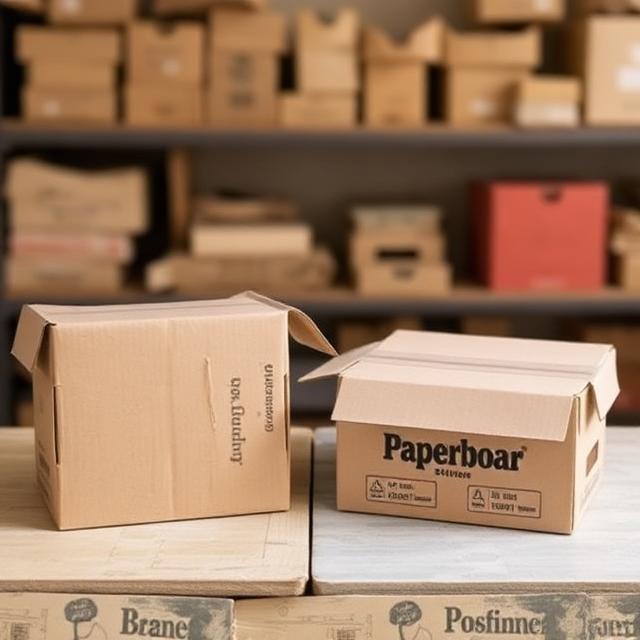
Kraft board is strong because the long fibers from the kraft process are left largely intact. That is why kraft is the default for shipping cartons and corrugated board — and why kraft-faced folding cartons can hold up to retail handling without warping.
Why brands pick kraft
Three reasons dominate:
- Brand signal. Kraft reads as natural, farm-to-table, artisan, and honest. For organic skincare, handmade soap, specialty bakery, and small-batch food brands, kraft tells the brand story before the customer reads a single word.
- Cost. Kraft is often slightly cheaper than bleached SBS at the same point weight because it skips the bleaching step.
- Sustainability optics. Kraft looks sustainable even when it is not certified — and when it is on recycled or FSC-certified stock, the look matches the substance.
Kraft weights (14pt to 24pt)
- 14pt – 16pt – soap bars, lip balms, small sampler cartons.
- 18pt – 20pt – candles, cosmetics, mid-size retail SKUs. Our most-ordered kraft weight.
- 22pt – 24pt – premium gift and luxury-feel without going full rigid.
Printing on kraft
Kraft prints differently from white SBS. The brown base absorbs light, so CMYK colors print darker and more muted than on white. The right approach:
- Use 1–2 color print on kraft for the cleanest look – black, white (as opaque ink), or a single Pantone spot color.
- Soy-based inks print especially well on kraft and reinforce the natural look.
- If you need full-color photo print on kraft, specify a white underbase to let colors sit on top of the brown; this costs more but matches a white-stock vibrance.
- Metallic foil (gold, copper) is the single most-impactful finish on kraft – the warm metal reads beautifully against the brown.
Industries that use kraft most
- Soap boxes – handmade and cold-process soap brands lean heavily on kraft
- Bakery boxes – small bakeries and specialty bread brands
- Cosmetic boxes – natural beauty and botanical skincare
- Eco-friendly boxes – sustainability-first brands
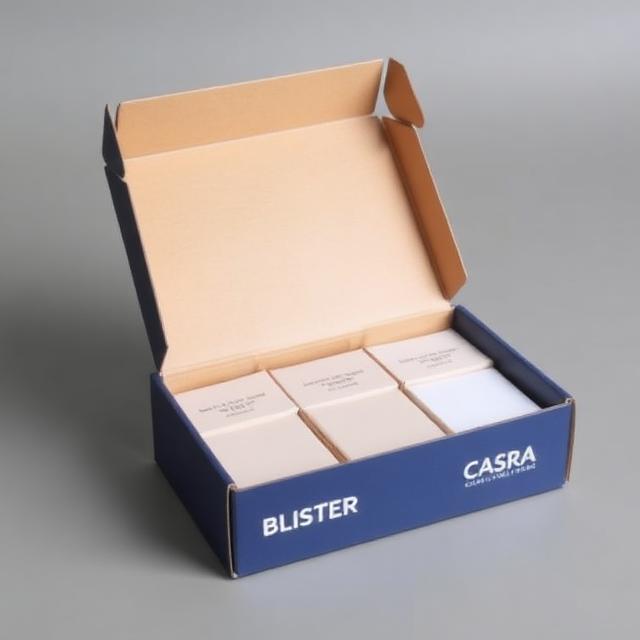
- Mailer boxes – DTC brands wanting an eco shipping touch
- Kraft paper – for wraps, liners, and tissue
Kraft recyclability in US curbside programs
Uncoated kraft paperboard is accepted in nearly every US municipal curbside paper stream. Mills handle it as mixed paper or grade-11 old corrugated containers (OCC), and the long kraft fibers survive two to three recycling loops before they shorten past the point of reuse. That is the clean case — and it is the one you can stand behind on pack.
The acceptance breaks when you add a film lamination. Gloss or matte poly film, PET windows, and foil stamps thicker than 7 microns all push the carton into the "mixed material" bucket that many MRFs reject or landfill.
If recyclability is a core claim, stay with soy inks on uncoated stock, use aqueous or dispersion coatings instead of film, and spec FSC-certified kraft with a published post-consumer waste (PCW) percentage —
30% PCW is a common and credible number for folding carton.
On the claim side, the FTC Green Guides ask for specificity. "Recyclable" needs qualification if the lamination or finish disqualifies curbside; "made with recycled content" needs the PCW number;
"biodegradable" is a regulatory landmine for anything that will sit in a landfill. The safer phrasings are "curbside-recyclable kraft" and "FSC-certified" with the certificate number nearby.
We spec the stock on every eco-friendly boxes order so the claim and the carton match.
Kraft vs white SBS — unit cost at common run sizes
The kraft-vs-SBS price gap is smaller than most brands expect, and the direction flips with the run size. At 100 boxes, most of the cost is fixed — plates, press makeready, die, and shipping —
so the substrate line barely moves the unit price. Kraft and SBS come within one or two cents of each other at 100 units on an 18pt stock, and for some presses kraft actually costs more at that quantity because the house runs white more often and has it staged.
At 500 boxes, the substrate starts to matter. Uncoated kraft typically runs 3–6% cheaper than C1S SBS at the same point weight because it skips the bleaching and coating steps.
The gap widens again at 1,000+, where paper is the dominant cost line — expect 5–10% kraft savings at the same weight and print build, assuming 1–2 color soy-ink work.
Add a white underbase for full CMYK on kraft and that savings disappears; the extra ink pass and the white hit put kraft at parity or slightly above SBS.
Finishes also tilt the math. Soy inks are the same price as petroleum inks on most sheet-fed presses, so the "natural" build is cost-neutral. Spot gloss or soft-touch coating costs the same on either stock. Where kraft wins hardest: a single-color soy-ink 500-run on a soap or bakery carton, where the brown stock is the brand statement and extra ink coverage is not needed.
Frequently asked questions
Is kraft board the same as cardboard?
Kraft board is a type of cardboard (paperboard). "Cardboard" is a general term covering both corrugated board and paperboard; kraft refers to the pulping process and gives the stock its natural brown color.
Is kraft board recyclable?
Yes — kraft board is widely accepted in US curbside paper recycling. Keep it recyclable by avoiding plastic film laminations.
Can kraft hold moisture-prone product?
For soaps, bakery items, and candles, kraft board handles typical shelf and retail conditions well. For deli, butcher, and food-service applications where grease and moisture are heavier, specify a food-grade kraft with grease-resistant coating — see our greaseproof paper options.
Does kraft cost more than SBS?
Usually a little less at the same weight because kraft skips the bleaching step. The price gap is small and often outweighed by brand positioning benefits.
Will my logo show up on kraft stock?
Yes, with the right ink choice. Dark logos (black, navy, deep green, burgundy) print with strong contrast directly on kraft and need no underbase. Light or pastel logos look washed out because the brown base shows through —
for those, spec a white opaque ink or a small white underbase under just the logo area. Metallic foil and emboss are the most reliable ways to make a logo pop on kraft at any brand palette.
What finishes pop best on kraft?
Metallic foil is the clear winner — gold, copper, and rose-gold all read beautifully against the warm brown base. Blind emboss and deboss also perform well because the natural stock texture holds the shape.
Spot UV is a lower-impact option on kraft than on white because the matte-to-gloss contrast is narrower on an already-muted base. Soft-touch lamination muddies kraft and breaks curbside recyclability, so we usually steer brands to aqueous dull coat instead.
Can I get FSC-certified kraft?
Yes. We stock FSC Mix and FSC Recycled kraft from US and North American mills and can print the FSC logo with the correct license number on-pack. Most folding carton kraft is FSC Mix;
fully recycled kraft is available at 30% or higher PCW. Lead times on FSC stock match standard kraft at our common 14pt–24pt weights. Ask for the certificate number at quote time if your retail or DTC claim depends on it.
Thinking about kraft for your line? We build free dielines on kraft boxes at 100-box minimums with soy-based inks and no die, plate, or setup fees. Request a free quote with your product and we will send pricing and material options inside one business day.
Reviewed by Kate Johnson — Packaging Specialist
12+ years in folding carton, corrugated, and rigid-box production at US contract packaging houses; FDA 21 CFR 176.170 (food contact) + 21 CFR 701 (cosmetic) labeling expert; FEFCO code-literate structural reviewer; FSC Chain-of-Custody auditor; G7 GRACoL color-management training. Reviews every structural, material, and compliance spec on this page. Last reviewed: November 2026.