Blog · By The Packaging Vista Team · October 28, 2026
Packaging Vista Sustainable Packaging Solutions
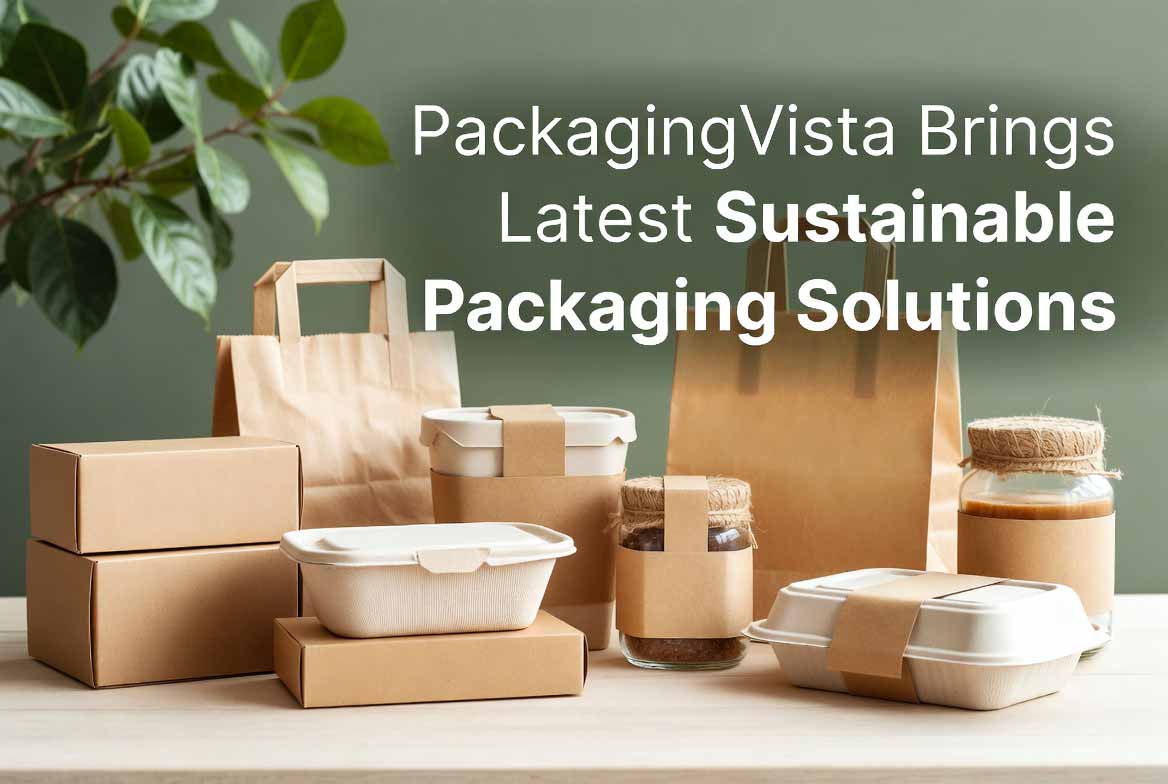
Green goals in packaging means more than a kraft stock and a green logo. It means recyclable fiber, non-plastic coatings, soy or water-based inks, and claims that match the certification backing them. Our green goals program is built around that bar. Here is what we offer and how we spec packaging that is recyclable (not just marketed that way).
Our eco commitment.
Three operating principles across every quote:
- Recyclable paperboard by default. Our standard SBS and kraft stocks go into US curbside paper recycling.
- Soy-based inks on kraft. Lower-VOC alternative to petroleum inks; separates cleanly in the repulping process.
- No gloss or matte film laminations on green goals-forward projects. We use aqueous (water-based) coatings instead because they don't need delamination to recycle.
The eco materials we offer.
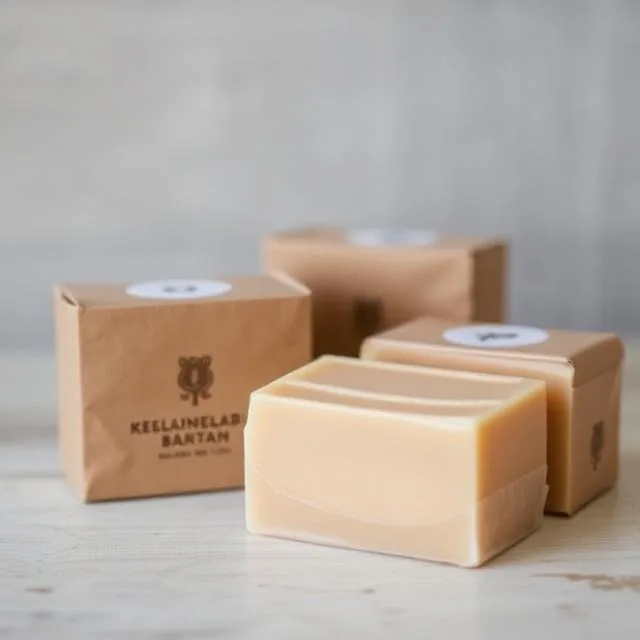
- Recycled kraft. Natural brown board with 100% recycled fiber content. Widely curbside-recyclable in the US. The default for natural beauty, bakery, soap, and food.
- Recycled SBS. Bleached white paperboard with recycled fiber. Prints like virgin SBS at close to the same quality.
- FSC-certified stocks. Virgin fiber from Forest Stewardship Council-certified sources. Add FSC claim to your artwork at no extra fee — just tell us at quote time.
- Corrugated with high recycled content. Most US corrugated already carries 50–80% recycled content; verify the mill's percentage if you plan to claim it on-pack.
- Molded pulp inserts. Pressed from recycled paper, replaces EVA foam for a compostable cradle. Great for electronics and beauty.
Inks and finishes.
Our standard setup for green goals-forward projects:
- Soy-based inks — our default for kraft and recycled stocks.
- Water-based inks — for direct-print corrugated.
- Aqueous coating instead of plastic film lamination — keeps the carton recyclable.
- Foil accents are fine on recyclable boxes — the small amount of foil repulps along with the paperboard.
Finishes we avoid on green goals-forward projects: full plastic film laminations (gloss or matte), heavy UV coatings, metallic polyester laminates. These complicate the recycling stream.
Making your green goals claim defensible.
Three practices keep your green goals messaging rule-safe with FTC Green Guides:
- Pair the claim with the specific attribute. "Made from 100% recycled kraft paperboard" is defensible; "Eco-friendly" standalone is not.
- Use How2Recycle labeling. The US-standard component-by-component recyclability label.
- Avoid "biodegradable" without qualification. If you compost, say "industrially compostable" and name the BPI certification.
See our full guide: green packaging guide.
What "recyclable" really means in US curbside programs.
"Recyclable" is not a single national standard — it is a question of what your local Material Recovery Facility (MRF) can actually sort and sell. Clean SBS and kraft paperboard are broadly accepted in US curbside paper streams because the fiber is long, the sort line reads it reliably, and mills pay for it.
Once you add coatings and films, acceptance narrows fast. Soft-touch and gloss plastic laminations do not separate from the fiber in a standard repulper, so cartons that ship with film overlays are often pulled as contamination.
Heavy UV coatings behave similarly on the wet end.
Metallic foil is fine in small accent areas, but once coverage pushes past roughly 30% of the carton face, optical sorters start misreading the piece as plastic and route it to landfill.
Window film must be removed by the brand or the end consumer — PET or PLA windows do not belong in the paper bale. If you want a defensible on-pack claim, the FTC Green Guides (16 CFR Part 260) govern the wording: a blanket "recyclable" claim requires that a substantial majority of consumers have local access to a program that accepts the full package as-shipped, not just the paperboard underneath.
For most of our kraft box and mailer builds, an aqueous coating plus a trimmed foil budget keeps the whole carton inside that bar.
PFAS-free and compliance-ready defaults we standardize on.
PFAS (per- and polyfluoroalkyl substances) used to be the default grease barrier on fast-food wrappers, oyster pails, and bakery liners. That changed with California AB 1200, which took effect January 2023 and bans intentionally added PFAS in food packaging sold into the state —
New York, Washington, Minnesota, and Maine have followed with their own statutes. Our standard food-contact paperboard, the water-based grease barrier we use on food and beverage boxes, and the PE and PLA coatings we stock are all PFAS-free by default.
Suppliers provide material disclosure letters on request.
For direct food contact we spec stocks and coatings that meet FDA 21 CFR 176.170 (components of paper and paperboard in contact with aqueous and fatty foods). That is the baseline, not an upgrade —
we do not quote food packaging against anything looser. For brands that want third-party verification of the fiber source itself, we can run jobs on FSC Chain-of-Custody paperboard and print the FSC claim on-pack once your artwork references the correct license.
Tell us at quote time; the certified stock and the claim filing are bundled into the same lead time as a conventional run, with no up-charge on common grades.
Working with Packaging Vista on a green launch.
- Tell us your green goals goal at quote time. Recyclable? Compostable? Specific certification (FSC, SFI, How2Recycle)?
- We spec the stock, inks, and coatings that meet the goal and send pricing inside one business day.
- Approve a free 3D mockup, or order a $50 physical sample (refunded on your first order) to confirm fit and finish.
- Making in 8–10 business days, free US shipping.
Our team flags any finish choice that would compromise recyclability before making. If the stock + inks + coatings don't match the green goals claim you want on-pack, we tell you.
Frequently asked questions.
Which eco stock is the easiest green goals win?
Recycled kraft with soy inks. The look reads as green without needing certification, and the material is widely recyclable.
Can you print full-color on recycled kraft?
Yes — add a white underbase to let CMYK colors sit on top of the brown. Slightly more expensive than 1-color print on kraft but matches a white-stock look.
Do you supply FSC chain-of-custody documents?
FSC-certified stocks come with the FSC claim applicable to the run. For audit-ready chain-of-custody certification tied to your own FSC license, let us know at quote time so we can scope that exactly.
Is corrugated more green than SBS?
Not inherently — both are paperboard, both are widely recyclable. Corrugated usually carries higher recycled content; SBS is virgin fiber unless exactly recycled-grade. Pick based on the use case (shipping vs retail), not the material alone.
Is your packaging PFAS-free?
Yes — our default food-contact paperboard, water-based grease barriers, and PE and PLA coatings are all PFAS-free, and the stocks we spec meet California AB 1200 and the parallel statutes in New York, Washington, Minnesota, and Maine. We can send supplier disclosure letters with the sample pack if your compliance team wants them on file before production.
Can I get FSC-certified paperboard?
Yes. We stock FSC Chain-of-Custody kraft and SBS and can print the FSC claim on-pack once your artwork references the correct license number. For brands that hold their own FSC license, flag it at quote time so we scope the chain-of-custody paperwork into the run. There is no up-charge on common certified grades.
What's the difference between recyclable and compostable?
Recyclable means the material can be collected, sorted, and remanufactured into new paper or board — our standard kraft and SBS cartons fit that stream. Compostable means the material breaks down into soil in a controlled environment, usually an industrial composter (ASTM D6400 or BPI-certified).
The two are not interchangeable: a compostable PLA-lined cup does not belong in the paper bale, and a recyclable kraft carton will not fully compost in a backyard bin.
Ready to launch sustainably? Browse eco-friendly boxes, kraft boxes. Plus Kraft paper, read our green packaging guide, or request a free quote with your green goals goals.
Reviewed by Kate Johnson — Packaging Specialist
12+ years in folding carton, corrugated, and rigid-box production at US contract packaging houses; FDA 21 CFR 176.170 (food contact) + 21 CFR 701 (cosmetic) labeling expert; FEFCO code-literate structural reviewer; FSC Chain-of-Custody auditor; G7 GRACoL color-management training. Reviews every structural, material, and compliance spec on this page. Last reviewed: November 2026.